





































































How Long Do DTF Prints Last? Durability, Washing and Care
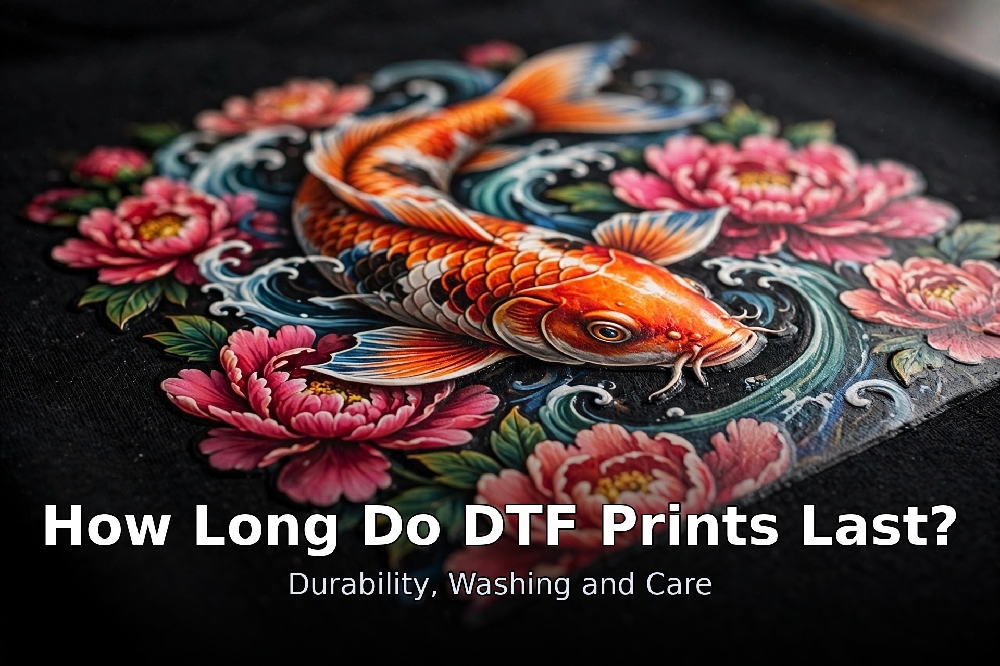
DTF (direct-to-film) printing is a popular method for decorating T-shirts, hoodies, and other garments because it can produce detailed, full-color designs on a wide range of fabrics. But if you're considering DTF printing for your business, one question matters just as much as print quality: How long will the design last?
A properly produced and applied DTF print can last for years of normal wear and washing. Its actual lifespan depends on the quality of the materials, the printing and curing process, the heat-press settings, the garment itself, and how the finished item is cared for.
Understanding these variables can help apparel decorators produce more consistent transfers, reduce reprints, and deliver finished garments that hold up over time.
How Many Washes Can a DTF Print Withstand?
There isn't one guaranteed wash count that applies to every DTF transfer. Two prints made with the same printer can perform differently if they use different inks, adhesive powders, curing conditions, or application settings.
A well-made DTF transfer should withstand repeated laundering without prematurely peeling, cracking, or losing significant color. However, durability depends on the entire production process, not just the printer.
Several factors influence how a finished print performs:
Ink quality: Consistent ink performance helps produce the intended color and image quality.
Adhesive powder: The powder must be compatible with the ink and film and properly bonded during curing.
Curing: Insufficient or uneven curing can compromise the adhesive layer and affect how the transfer bonds to the garment.
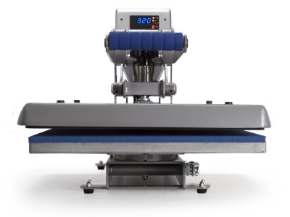
Heat and pressure: The heat press must deliver the appropriate temperature, pressure, and application time for the transfer materials.
Fabric: Different fabrics have different textures, stretch characteristics, and heat tolerances.
Washing and wear: Detergents, high temperatures, friction, and repeated stretching can gradually affect the print.
For businesses evaluating a new DTF setup, testing transfers on the fabrics and garments they intend to sell is a better way to assess durability than relying on a single advertised wash-life claim.
Why Do DTF Prints Crack or Peel?
Cracking, peeling, and premature deterioration can have several causes. Identifying the problem often starts with looking at how the transfer was produced and applied.
1. Incorrect heat-press settings
The transfer needs the correct combination of temperature, pressure, and pressing time to bond properly. Too little heat or pressure can result in poor adhesion, while excessive heat can damage certain fabrics or affect the finished design.
Always follow the transfer manufacturer's recommended application instructions and verify that the press is delivering consistent heat and pressure.
2. Improper adhesive curing
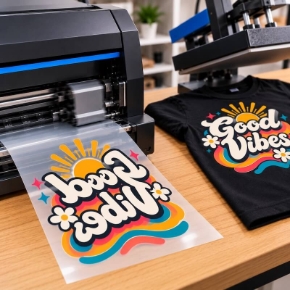
DTF printing typically involves printing an image onto PET film, applying hot-melt adhesive powder, and curing the powder before transferring the design to a garment.
If the adhesive isn't properly cured, the transfer may not bond as intended. Uneven curing can also produce inconsistent results across a production run.
3. Inconsistent materials or maintenance
Ink, film, and powder all contribute to the finished transfer. Using incompatible materials or allowing the printer's ink delivery system to deteriorate can introduce production inconsistencies.
Following the equipment manufacturer's maintenance schedule and using compatible supplies helps maintain a repeatable workflow.
4. Fabric stretch and everyday wear
A design applied to a stretchy garment may experience more stress than one applied to a stable fabric. Large solid designs can also behave differently from smaller graphics because more of the garment is covered by the transfer.
For stretch fabrics, test the transfer's flexibility and adhesion before committing to a large production run.
5. Washing and drying habits
Frequent hot washing, aggressive detergents, high dryer temperatures, and excessive abrasion can shorten the useful life of a printed garment.
Clear care instructions help customers protect their purchases and can reduce complaints caused by improper laundering.
How to Make DTF Prints Last Longer
Whether you're producing a handful of custom shirts or running a larger apparel operation, consistency is essential.
Use the following practices to improve transfer durability:
Choose compatible materials. Use film, ink, and adhesive powder designed to work together with your DTF printing system.
Follow curing instructions. Make sure the adhesive is cured according to the material manufacturer's specifications.
Verify heat-press settings. Use the recommended temperature, pressure, and pressing time for the transfer and garment.
Follow peel instructions. Some films require hot peeling, while others require warm or cold peeling. Use the method specified for the film you're using.
Apply a finishing press when recommended. Some transfer workflows call for a short second press, often using a protective sheet. Follow the specific transfer instructions rather than assuming every design needs one.
Test before production. Check adhesion, flexibility, appearance, and laundering performance on representative garments.
Provide garment-care instructions. Let customers know how to wash and dry their apparel according to the transfer and garment manufacturers' recommendations.
These steps help establish a repeatable process, which becomes increasingly important as production volume grows.
Is DTF Printing Durable on Cotton and Polyester?
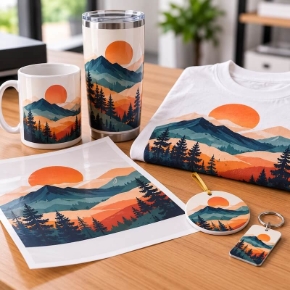
One advantage of DTF printing is its versatility across different garment materials. It can be used on cotton, polyester, and many cotton-polyester blends, as well as selected performance fabrics.
However, compatibility doesn't mean every fabric behaves identically.
Cotton: DTF transfers are commonly used on cotton T-shirts, sweatshirts, and hoodies. The fabric's construction and the transfer application process still influence the finished result.
Polyester: DTF can be suitable for polyester garments, but heat-sensitive materials require particular attention. Excessive application heat may damage the fabric or cause dye migration, in which the garment's dye affects the appearance of the printed design.
Blended fabrics: Cotton-polyester blends are widely used in apparel decoration. Test the particular blend because fabric composition, texture, and heat tolerance can vary.
Performance fabrics: Moisture-wicking and stretch garments can be decorated with DTF, provided the transfer is suitable for the material and its intended use.
Before offering a new garment type to customers, test a sample using the actual film, ink, powder, and press settings planned for production.
Does DTF Printing Last Longer Than Screen Printing or DTG?
There is no universal winner when it comes to garment-print durability. Screen printing, direct-to-garment (DTG), and DTF each have different production characteristics, and results depend on how each method is executed.
| Printing method | Durability considerations |
|---|---|
| DTF | Depends on adhesive bonding, curing, transfer application, and garment compatibility. |
| Screen printing | Depends on ink selection, ink deposit, curing, fabric, and production quality. |
| DTG | Depends on pretreatment where required, ink compatibility, curing, fabric, and garment care. |
A well-produced print from any of these methods can deliver good service life. The right choice also depends on design complexity, order quantities, garment types, production speed, and equipment investment.
DTF is especially useful when a business needs full-color designs, works with a variety of fabrics, or wants to produce transfers that can be applied as orders come in.
What Equipment Affects DTF Print Quality and Durability?
A DTF printer is only one part of the production process. A complete workflow may include:
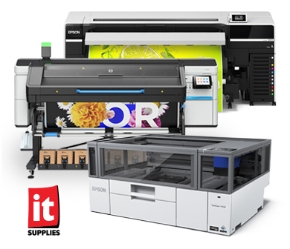
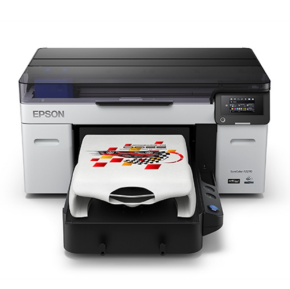
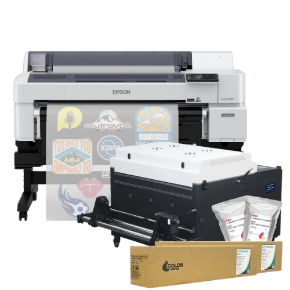
DTF printer: Prints the design onto transfer film using the appropriate ink configuration, typically including white ink. Shop the Epson SureColor G6070 for entry-level to moderate-volume work, or the Epson SureColor G9070 for high-volume production.
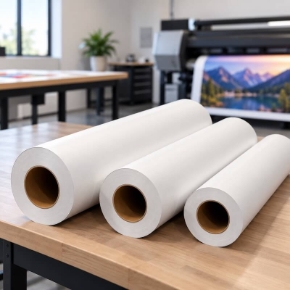
PET transfer film: Provides the surface on which the design is printed.
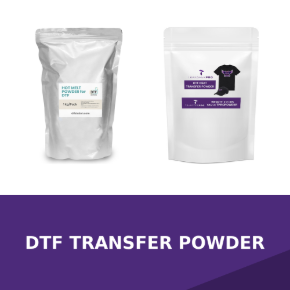
Adhesive powder: Bonds the printed design to the garment during heat application.
Powder shaker and curing system: Helps automate powder application and prepare the transfer for pressing.
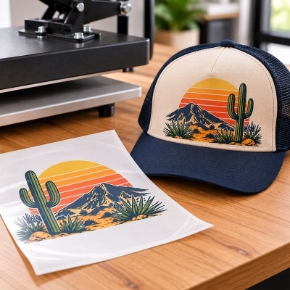
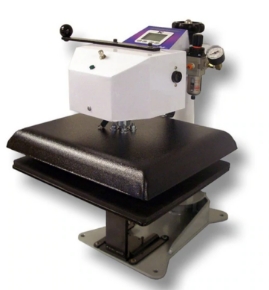
Heat press: Applies the finished transfer to the garment.
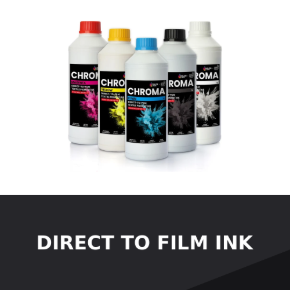
DTF inks and maintenance supplies: Support consistent output and ongoing equipment operation.
For lower-volume production, some businesses start with a printer and a more manual powdering and curing process. Higher-volume operations may benefit from an integrated shaker and curing system that improves workflow consistency and reduces manual handling.
The right setup depends on expected production volume, available workspace, labor, budget, and the types of garments being decorated. Browse the full lineup on our DTF applications page.
Frequently Asked Questions About DTF Print Durability
Can DTF prints survive repeated washing?
Yes. Properly produced and applied DTF prints can withstand repeated laundering. Actual performance depends on materials, curing, application settings, garment construction, and care.
Why is my DTF print peeling after washing?
Peeling can result from insufficient adhesive curing, incorrect heat-press settings, incompatible materials, or fabric-related issues. Review the full production process and test a sample before changing multiple variables at once.
Do DTF prints crack over time?
They can. Repeated stretching, abrasion, improper application, and laundering can contribute to cracking. Compatible materials and correct application help reduce the risk.
Can DTF transfers be applied to polyester shirts?
Yes, many polyester garments are suitable for DTF transfers. Heat-sensitive fabrics and dye migration require special consideration, so test the specific garment before production.
Should a DTF shirt be washed inside out?
Washing inside out can reduce direct friction against the printed surface. Following the garment and transfer care instructions, using suitable wash temperatures, and avoiding excessive dryer heat can also help preserve the design.
Does a more expensive DTF printer automatically produce longer-lasting prints?
No. Printer capability matters, but durability also depends on the ink, film, adhesive powder, curing process, heat press, garment, and operator technique. A more expensive printer alone doesn't guarantee a longer-lasting transfer.
Get the Right DTF Equipment and Supplies
Producing durable DTF transfers starts with a consistent workflow and materials that work together. Whether you're setting up your first direct-to-film printing operation or improving an established production line, selecting the right printer, inks, adhesive powders, film, and curing equipment can help you achieve repeatable results.
IT Supplies offers DTF printing equipment and supplies to support apparel decoration businesses at different stages of production. Explore our DTF printing equipment and supplies, or contact our team for help identifying products that fit your workflow.
Talk DTF With Our Team
Questions about DTF printers, supplies, or the right setup for your shop? Our specialists can help.

Write a comment