


















































DTF Printing 101: Everything You Need to Know About Direct-to-Film Printing
What Is DTF Printing?
DTF printing, also known as Direct-to-Film printing, is one of the fastest-growing technologies in apparel decoration. Unlike traditional printing methods such as screen printing or direct-to-garment (DTG) printing, DTF does not print directly onto the garment.
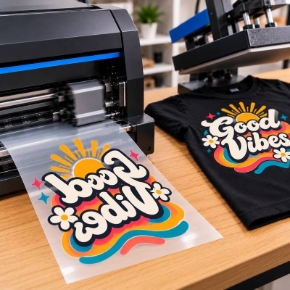
Instead, designs are printed onto a special PET transfer film and then applied to apparel using adhesive powder, heat, and pressure. The result is a vibrant, durable transfer that can be applied to a wide variety of materials including cotton, polyester, blends, and many performance fabrics.
How Does the DTF Printing Process Work?
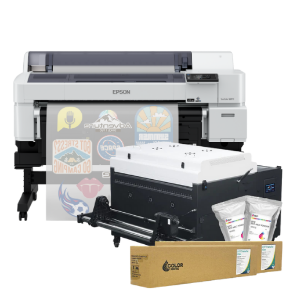
The DTF printing process involves several key steps, beginning with printing the design onto transfer film using specialized textile inks.
1. Printing the Design
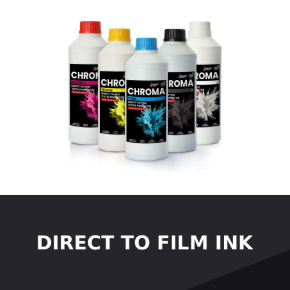
DTF printers typically use a CMYK ink configuration combined with white ink to create vibrant, opaque designs. Some systems may also include additional colors depending on the printer configuration and intended application.
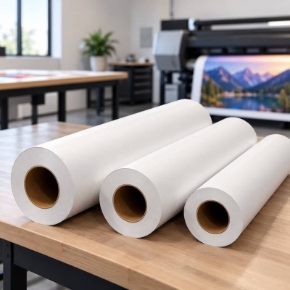
The design is printed directly onto a coated PET film, which serves as the foundation for the transfer process.
2. Applying Adhesive Powder
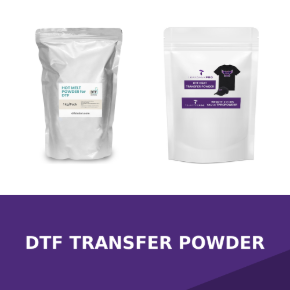
After printing, a powdered adhesive is applied directly onto the wet ink. Excess powder is removed, leaving only the adhesive material needed to bond the design to the garment.
3. Curing the Transfer
The transfer then moves through a curing process where heat melts the adhesive powder into the ink layer. This step is critical because proper curing helps ensure the durability and quality of the finished print.
Cure temperatures and times can vary depending on the printer, film, powder, equipment, and production environment.
Applying the DTF Transfer
Once cured, the transfer is ready to be applied immediately or stored for future use. One unique advantage of DTF printing is the ability to create transfers ahead of time and apply them when needed.
For example, a business can produce multiple designs in advance and wait until an order is received before applying the transfer to the specific garment color and size required.
Heat Press Application
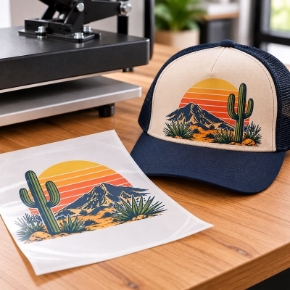
When ready to apply, the transfer is placed onto the apparel and pressed using specific temperature, pressure, and timing settings.
Some films are designed for hot peel applications, while others require a warm or cold peel process. The correct peeling method depends on the transfer film being used and the manufacturer's recommendations.
Many workflows also include a final finishing press, typically lasting a few seconds, which can help improve durability and enhance the overall feel of the print.
Benefits of DTF Printing
One of the biggest reasons DTF printing has grown so quickly is its versatility. It allows businesses to decorate a wide range of fabrics and garment types without the setup requirements associated with traditional printing methods.
- Works on cotton, polyester, blends, and many specialty fabrics
- Produces vibrant, full-color graphics
- Provides excellent opacity on dark garments
- Ideal for custom apparel, promotional products, and short-run production
- Allows transfers to be printed ahead of time and stored for later use
- Offers detailed designs without the complexity of screen printing setup
Challenges of DTF Printing
Like any printing technology, DTF also comes with challenges that businesses should understand before investing in equipment.
- White ink maintenance is important for consistent performance
- Environmental conditions can impact powdering and curing
- Film and powder selection can affect print quality
- Heat press settings must be properly adjusted for different materials
- Consistent results require a properly tuned workflow
Factors such as film selection, adhesive powder, curing temperatures, and application settings all play a role in achieving the best possible results.
Is DTF Printing Right for Your Business?
DTF printing has opened the door for many businesses looking to produce custom apparel with greater flexibility and efficiency. From small custom apparel shops to larger production environments, DTF provides a versatile solution for creating high-quality textile graphics.
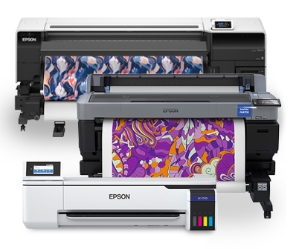
With a wide range of printer sizes, workflows, films, powders, and production options available, choosing the right DTF setup depends on your application, production goals, and budget.
Need Help Choosing a DTF Printing Solution?
If you have questions about DTF printing or need help finding the right solution for your business, our team is here to help. Contact us to learn more about available DTF printers, workflows, and production options. Call 1-800-771-9665 and ask for a DTF expert!
If you found this guide helpful, be sure to watch the video above, subscribe to our channel, and leave a comment with your questions.

Comments
--
In response to how long do DTF transfers last on shirts, it's debated, but the range is rather wide depending on a number of factors. The estimate is 50-100 wash cycles.