



























































RSS

Blog

New PhotoPRO Cotton Papers: Hot Press and Cold Press Fine Art Papers

New From PhotoPRO: Cotton Hot Press and Cold Press Fine Art Papers

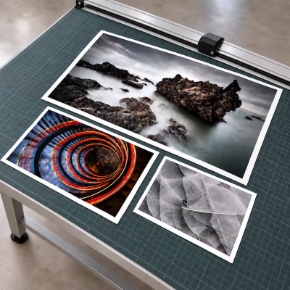
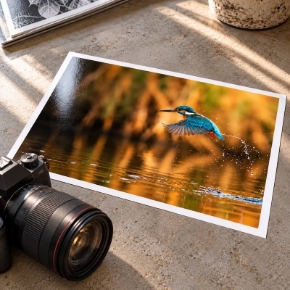
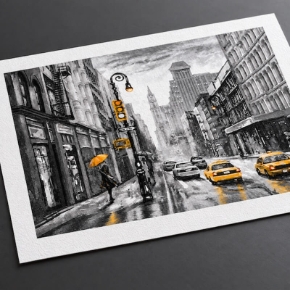
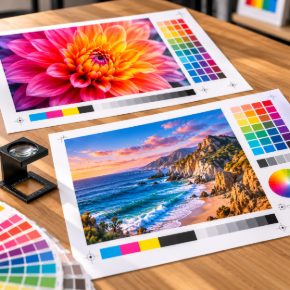
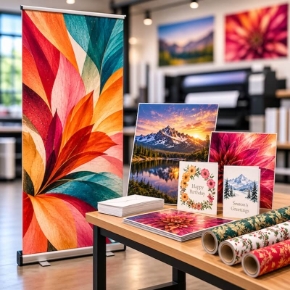
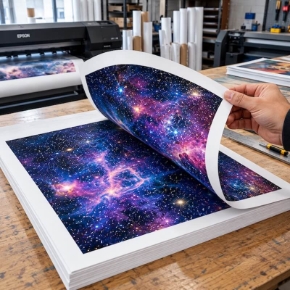
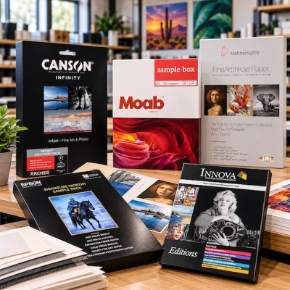
PhotoPRO is IT Supplies' premium house brand of photo and proofing media, built for accurate color, consistent results, and professional-quality prints. The lineup now grows with four new cotton fine art papers: two hot press and two cold press, each available in a bright white and a warm natural tone. All four are 100% cotton, matte finish papers made for photographers, fine art printers, and giclee studios running aqueous and latex printers.

Here is the short version. Hot press means a smooth surface. Cold press means a textured surface. Bright means a bright white base for punchier whites and deeper contrast. Natural means a warm, unbrightened tone for a softer, traditional fine art look. Pick your surface first, then your tone, and you have your paper.


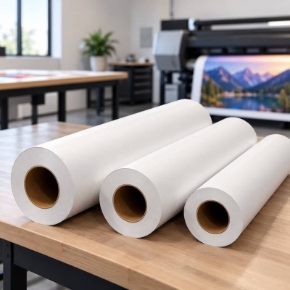
The four new lines at a glance: Hot Press Bright 322gsm (smooth, bright white), Hot Press Natural 316gsm (smooth, warm natural white, no optical brighteners), Cold Press Bright 322gsm (textured, bright white), and Cold Press Natural 303gsm (textured, warm natural tone). Every line comes in sheets and in rolls up to 60 inches wide.
 

Solvent vs Latex Printing: What's the Difference?

Solvent vs Latex Printing: What's the Difference?

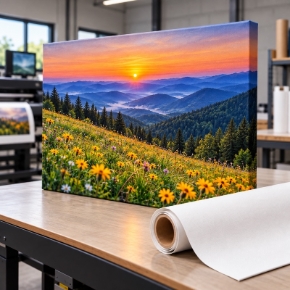
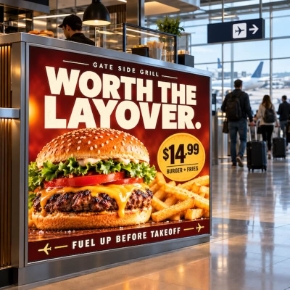
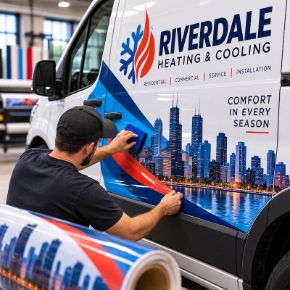
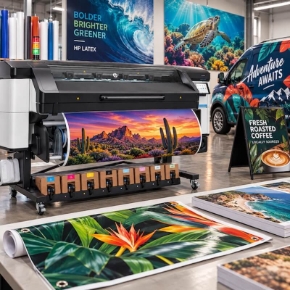
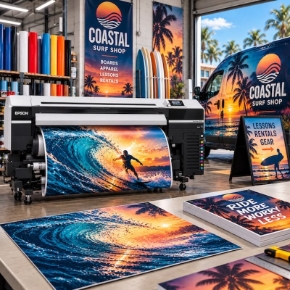
When customers shop for a professional sign printer, the comparison almost always comes down to two ink technologies: Epson solvent versus HP Latex. Solvent ink bonds to media through a chemical reaction that takes hours to finish, while latex ink is melted into a resin film with heat the moment it prints. That single difference explains the lamination wait, the odor, the power requirements, the media range, and the ink bill, and we put the two lineups head to head at all three price tiers.

Printers covered: Epson S7170, S8170, S9170 vs HP Latex 630, 630W, 730, 730W, 830, 830W.

What the blog covers: how each ink cures, lamination wait times, odor and VOCs, power requirements, media compatibility, scratch resistance and stretch, ink consumption, and which ink fits your shop.

Direct-to-Film (DTF) Printing: The Complete Equipment Guide

Direct-to-Film (DTF) Printing: The Complete Equipment Guide

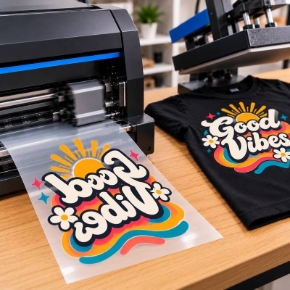
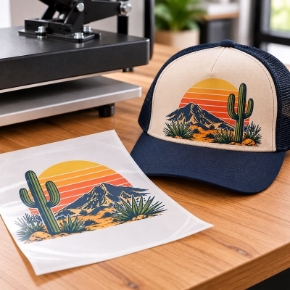
Direct-to-film printing is one of the fastest ways for shops to produce custom apparel in-house: print a design onto PET transfer film, coat it with adhesive powder, cure it, and press it onto a garment. No weeding, no screens, no minimum order. But a DTF setup is more than a printer, it is a small production line, and this guide walks through every station in workflow order.

Categories covered: DTF Printers, Transfer Film, DTF Ink, Hot Melt Powder, Powder Shakers, Curing Ovens, Heat Presses, Cutters, RIP Software, Cleaning Solution, Grease and Busting Solutions.

What the blog covers: the five-step DTF workflow, what each of the 11 subcategories does, which printer widths fit which shops, and how to put a complete DTF line together.

Canon imagePROGRAF PRO vs Epson SureColor P-Series: Which Photo and Fine Art Printer Fits Your Shop?

Canon imagePROGRAF PRO vs Epson SureColor P-Series: Which Photo and Fine Art Printer Fits Your Shop?

When customers shop for a professional photo or fine art printer, the comparison almost always comes down to two brands: Canon's imagePROGRAF PRO Series versus Epson's SureColor P-Series. Within each lineup, the printers are essentially the same machine at different widths, so this comparison is really about the philosophy behind each brand: Epson is built for maximum color gamut, faster throughput, and rigid media capability, while Canon is built for consistent, repeatable color, better scratch resistance on glossy media, a user-replaceable printhead, and a dual-roll system.

Printers covered: Canon PRO-2600, PRO-4600, PRO-6600 vs Epson P7570, P9570, P20570.

What the blog covers: ink and color, printheads, speed, media handling, borderless printing, rigid media, and total price, including the ink that ships in the box and the P20570's no-ink detail.

Epson SureColor G6070 vs G9070: Which DTF Printer Fits Your Shop?

Epson G6070 vs G9070: Which DTF Printer Fits Your Shop?

Choosing between the Epson SureColor G6070 and G9070 comes down to one question: how much volume are you printing, and how fast is it growing? The G6070 is built for growing apparel shops running moderate daily production. The G9070 is built...

Should You Buy a DTF Printer or Order DTF Transfers?

Should You Buy a DTF Printer or Order DTF Transfers?


If you are starting out, or printing in low or inconsistent volume, ordering pre-made DTF transfers is the smarter first move: no large upfront investment, no maintenance, and you still press and sell custom apparel yourself. Buying a DTF ...

How Long Do DTF Prints Last? Durability & Care Guide

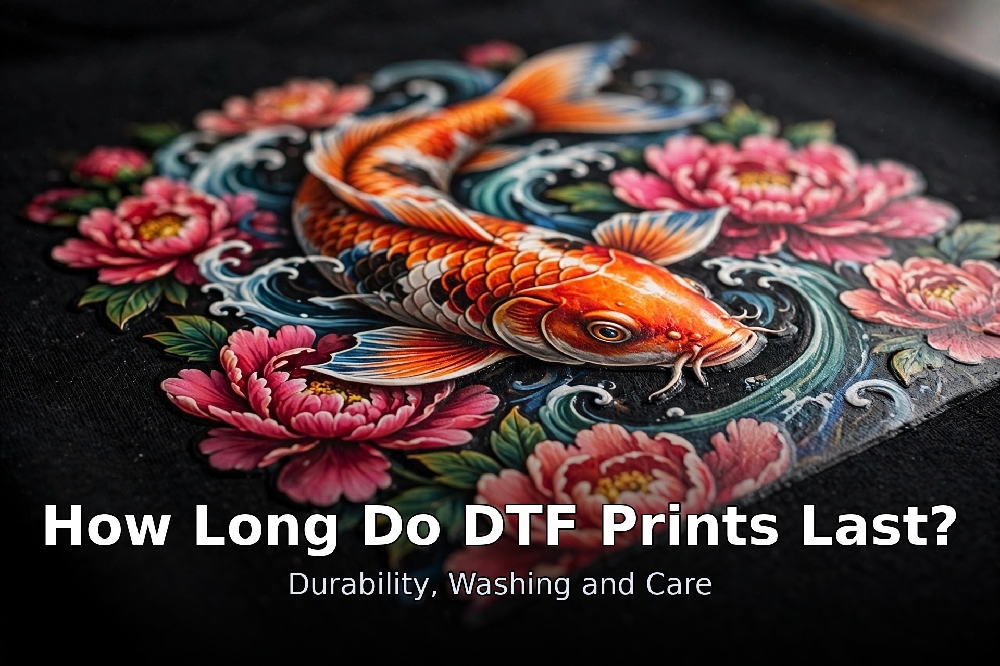
How Long Do DTF Prints Last? Durability, Washing and Care


DTF (direct-to-film) printing is a popular method for decorating T-shirts, hoodies, and other garments because it can produce detailed, full-color designs on a wide range of fabrics. But if you're considering DTF printing for...

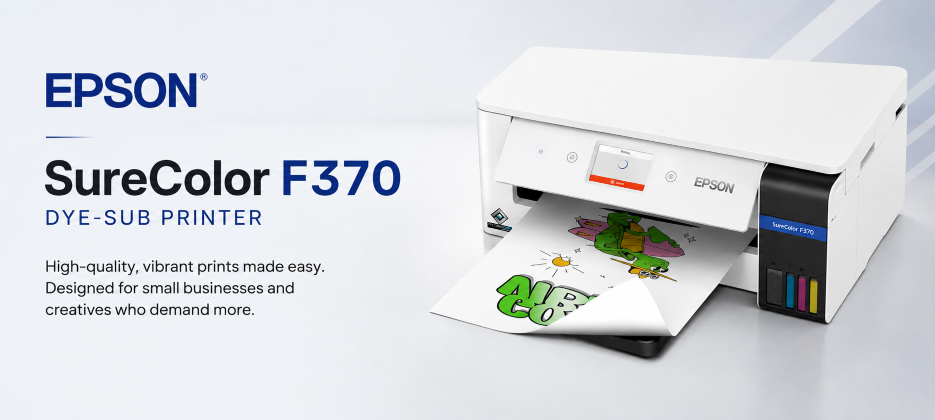
Epson SureColor F370 Explained: 13x19 Dye-Sub, Ink & Cotton Primer

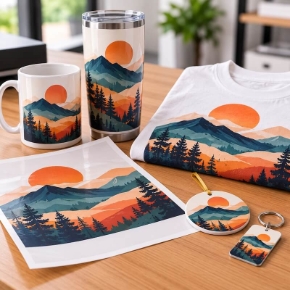
The Epson SureColor F370 is Epson’s new $999 desktop dye-sublimation printer, printing transfers up to 13″ x 19″ for apparel, tumblers, photo panels, towels, personalized gifts and more.


With genuine Epson T49M ink, dual auto-switching paper paths, and wireless printing — plus a new Sublimation Primer for Cotton for white and light-colored cotton — it’s built for makers, Etsy sellers, small shops, and schools. Shipping is expected in November 2026.


>>Click here to read full blog.

Can You Use a Regular Inkjet Printer for DTF Printing?

Can You Use a Regular Inkjet Printer for DTF Printing?


Not without modifications. Standard inkjet printers aren't designed for DTF printing, which requires textile-compatible inks, including white ink, and PET transfer film. However, some people convert compatible Epson EcoTank printers by r...

UV Printing Guide: How UV Flatbed Printing Works and Choosing the Right Printer

UV Printing Guide: How UV Flatbed Printing Works and Choosing the Right Printer


UV printing is a digital printing process that prints directly onto rigid and flexible materials using UV-curable inks that harden instantly under ultraviolet light. Because the ink cures on contact with UV light ...